
How Much Does a Shower Cost in the UK?
The cost of a shower depends on several factors.
These include the type of shower, the amount of water used, the energy required to heat it and the prices charged by your energy and water suppliers.
An electric shower uses electricity to heat water as it passes through the unit.
A mixer shower generally uses hot water supplied by a separate heating system, such as a gas boiler or electric water heater.
If you have a water meter, you may also pay volumetric charges for the water supplied and wastewater discharged.
There is no single shower running cost that applies to every UK household.
Our shower running cost calculator allows you to enter your own figures rather than relying on a fixed national average.
How to Use Our Shower Running Cost Calculator
Step 1: Choose Your Shower Type
Select either an electric shower or a mixer shower.
For electric showers, enter the power rating in kilowatts into the shower running cost calculator.
For mixer showers, choose the heating fuel and enter the relevant heating information into the shower running cost calculator.
Step 2: Enter Your Shower Duration
Enter how many minutes you usually spend showering into the shower running cost calculator
You can also compare your current shower duration with a shorter alternative.
Step 3: Enter Your Water Flow Rate
Water flow rate is measured in litres per minute.
If you do not know your shower’s flow rate, you can measure it by collecting water for a timed interval and calculating the litres per minute.
Step 4: Enter Your Energy Prices
Use the electricity or gas unit rate from your household bill.
These prices are usually expressed in pence per kilowatt-hour.
Step 5: Include Water Charges
If you pay metered water and wastewater charges, enter the relevant rates into the shower running cost calculator.
Households without metered charges can leave this option switched off.
Step 6: Calculate Your Shower Costs
Click Calculate Shower Costs in the shower running cost calculator to see your estimated cost per shower and projected household costs.
Electric Shower Running Costs Explained
Electric showers heat cold water using an electric heating element.
Their running costs depend largely on their power rating, operating time and electricity tariff.
Example: An 8.5 kW Electric Shower
Suppose you have an 8.5 kW electric shower running for eight minutes.
Your electricity unit rate is an illustrative 25p per kWh.
Electricity used:
8.5 × (8 ÷ 60) = 1.133 kWh
Electricity cost:
1.133 × £0.25 = approximately 28.3p
This is the estimated electricity cost before adding any metered water and wastewater charges.
The calculation assumes the shower continuously draws its rated power. Actual consumption can vary with shower settings and operating conditions.
How Much Does a 5-Minute Shower Cost?
A five-minute shower may cost less than a longer shower, but the amount depends on the shower’s power rating and flow rate.
For example, an 8.5 kW electric shower running continuously for five minutes at 25p/kWh uses approximately 0.708 kWh.
The estimated electricity cost is approximately 17.7p, excluding water charges.
A lower-power shower, different electricity rate or different operating conditions would produce another result.
How Much Does a 10-Minute Shower Cost?
Using the same illustrative 8.5 kW electric shower and 25p/kWh electricity rate:
8.5 × (10 ÷ 60) = 1.417 kWh
1.417 × £0.25 = approximately 35.4p
Again, this represents electricity costs only.
Metered water and wastewater charges can increase the overall cost.
Electric Shower Running Cost Chart
The following table shows approximate electricity costs for different shower power ratings and durations.
All figures use an illustrative electricity rate of 25p/kWh and assume continuous operation at the stated power.
| Electric Shower | 5 Minutes | 8 Minutes | 10 Minutes |
|---|---|---|---|
| 7.5 kW | 15.6p | 25.0p | 31.3p |
| 8.5 kW | 17.7p | 28.3p | 35.4p |
| 9.5 kW | 19.8p | 31.7p | 39.6p |
| 10.5 kW | 21.9p | 35.0p | 43.8p |
The table excludes water and wastewater charges.
Use our calculator to enter your actual electricity rate and shower duration.
How Much Does a Mixer Shower Cost to Run?
Mixer showers usually combine hot and cold water to achieve a comfortable showering temperature.
The hot water may be produced by a gas boiler, electric immersion heater or another heating system.
Unlike an electric shower, the cost is not necessarily calculated using a fixed shower power rating.
Instead, you can estimate the amount of energy required to heat the water.
Mixer Shower Heating Formula
The approximate heat required is:
Heat Energy (kWh) = Water Volume (litres) × Temperature Rise (°C) × 0.001163
The shower running cost calculator then divides this by the assumed heating efficiency to estimate the energy supplied by the heating system.
For example, heating 80 litres of water by 30°C requires approximately 2.79 kWh of heat delivered to the water.
The amount of gas or electricity purchased to provide that heat depends on the system’s efficiency.
This is a simplified estimate and does not separately model storage losses, pipework losses or all boiler operating characteristics.
How Much Water Does a Shower Use?
Water consumption depends on the shower’s flow rate and the length of time it operates.
The calculation is:
Water Used (Litres) = Flow Rate (Litres per Minute) × Shower Duration (Minutes)
Example
If your shower delivers eight litres of water per minute:
| Shower Duration | Water Used |
|---|---|
| 3 minutes | 24 litres |
| 5 minutes | 40 litres |
| 8 minutes | 64 litres |
| 10 minutes | 80 litres |
| 15 minutes | 120 litres |
| 20 minutes | 160 litres |
These are calculated examples based on an assumed flow rate of eight litres per minute, not a universal flow rate for all showers.
How to Measure Your Shower Flow Rate
If you want a more useful estimate, measure the actual water flow.
Use a suitable measuring container and a timer.
Collect water from the shower for a measured period, then calculate the amount delivered per minute.
For example, if the shower delivers four litres in 30 seconds, its approximate flow rate is eight litres per minute.
Take care to avoid burns, slips and electrical hazards while measuring.
For electric showers, the flow rate can change with the selected temperature setting.
Do You Pay Water Charges for Every Shower?
If your household has a water meter, the volume of water used may contribute to your bill.
Water suppliers may charge separately for water supply and wastewater services.
The applicable wastewater charge can depend on the supplier’s charging arrangements and assumptions about how much water returns to the sewer.
If your household pays unmetered water charges, taking a shorter shower may not directly reduce the volumetric part of your current water bill, although it may still reduce the energy used to heat the water.
The shower running cost calculator allows you to exclude metered water charges when appropriate.
Can Shorter Showers Save Money?
Reducing shower duration can reduce both water use and the energy required for heating, assuming the same flow rate and operating conditions.
For example, at eight litres per minute:
An eight-minute shower uses 64 litres.
A five-minute shower uses 40 litres.
That is a difference of 24 litres per shower.
Over repeated showers, the reduction can become substantial.
However, the actual financial savings depend on your energy tariff, heating system and water billing arrangement.
Our calculator includes a shorter-shower comparison to help illustrate the potential difference.
Are Electric Showers Cheaper Than Mixer Showers?
Neither type is automatically cheaper in every situation.
Electric showers use electricity directly to heat water and may operate at relatively low flow rates.
Mixer showers may use gas-heated water, which can have a different energy unit price, but their flow rates and heating-system losses may also differ.
A fair comparison should consider:
- Electricity and gas unit rates.
- Shower duration.
- Water flow rate.
- Desired water temperature.
- Heating-system efficiency.
- Metered water and wastewater charges.
The lowest energy cost does not necessarily mean the lowest total shower cost.
How Can You Reduce Shower Running Costs?
Spend Less Time in the Shower
Shorter showers generally reduce water and heating energy consumption when other factors remain unchanged.
Measure Your Water Flow Rate
Knowing the actual litres per minute can improve the accuracy of your calculations when using the shower running cost calculator
Consider a Suitable Water-Saving Shower-head
Some shower-heads are designed to reduce flow while maintaining an acceptable showering experience.
However, not every shower-head is suitable for every shower system. Check compatibility, particularly with electric showers.
Check Your Energy Tariff
Using the correct unit rate helps you understand the financial effect of showering.
Maintain Your Shower
Follow the manufacturer’s instructions for cleaning and maintenance, including removing limescale where appropriate.
Frequently Asked Questions
How much does an electric shower cost to run for 10 minutes?
An 8.5 kW shower running continuously for ten minutes at an illustrative 25p/kWh costs approximately 35.4p in electricity, excluding water charges.
How much does an 8-minute shower cost?
The cost depends on shower type, flow rate and tariffs. Our example 8.5 kW electric shower uses approximately 28.3p of electricity over eight minutes at 25p/kWh.
How many litres of water does a shower use?
Multiply the flow rate in litres per minute by the duration. An eight-minute shower at eight litres per minute uses 64 litres.
Does the shower running cost calculator include water bills?
Yes. You can include metered water and wastewater rates or exclude them if they do not apply to your billing arrangement.
Can I calculate gas-heated shower costs?
Yes. Select the mixer shower option and in the shower running cost calculator enter the relevant heating fuel, energy rate, temperatures and efficiency.
Are electric showers expensive to run?
Their running costs depend on power, usage time and electricity prices. A short shower may consume less energy overall than a longer shower even if the shower has a high power rating.
Is a five-minute shower cheaper than a ten-minute shower?
With the same power or flow assumptions, a five-minute shower generally uses approximately half the energy and water of a ten-minute shower.
Does a water-saving shower-head work with an electric shower?
Not all water-saving shower-heads are compatible with electric showers. Check the shower manufacturer’s recommendations before changing the shower-head.
Is the Shower Running Cost Calculator free?
Yes. Calculator Central’s Shower Running Cost Calculator is free to use without registration.
Recommended Shower and Water-Saving Products
You may find the following products useful when monitoring or reducing shower water consumption:
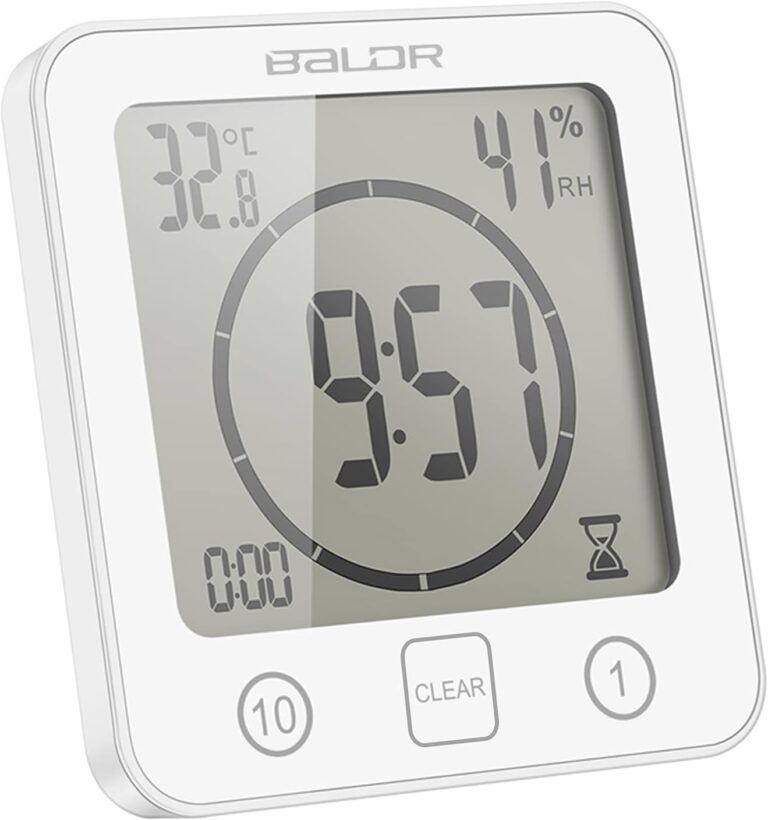
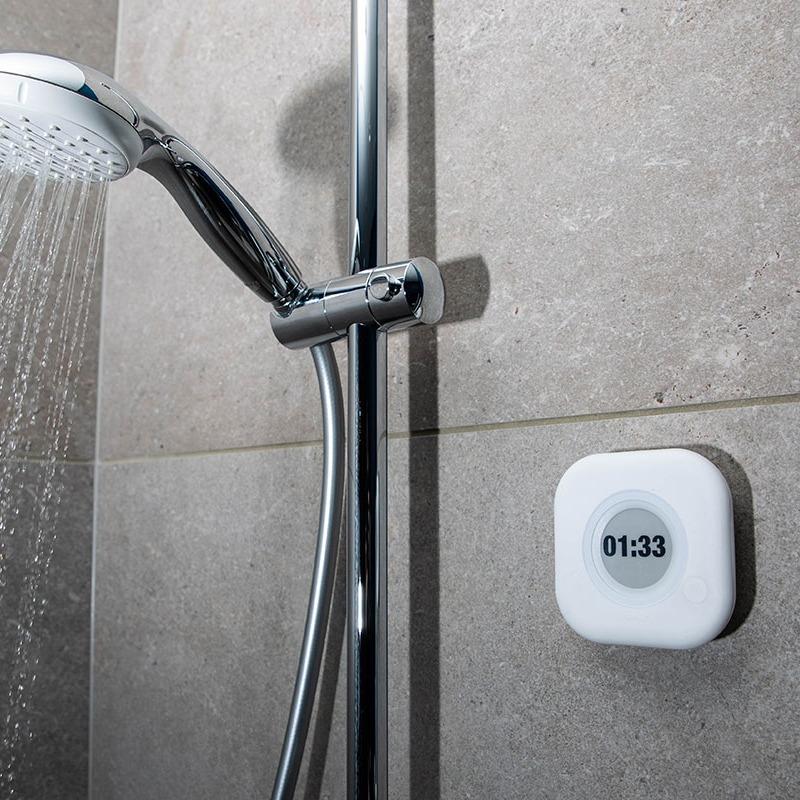 Shower Timers: Help you keep track of shower duration.
Water Flow Measuring Devices: Can help measure the amount of water delivered by a shower.
Compatible Water-Saving Shower-heads: May reduce water flow, subject to shower compatibility and manufacturer guidance.
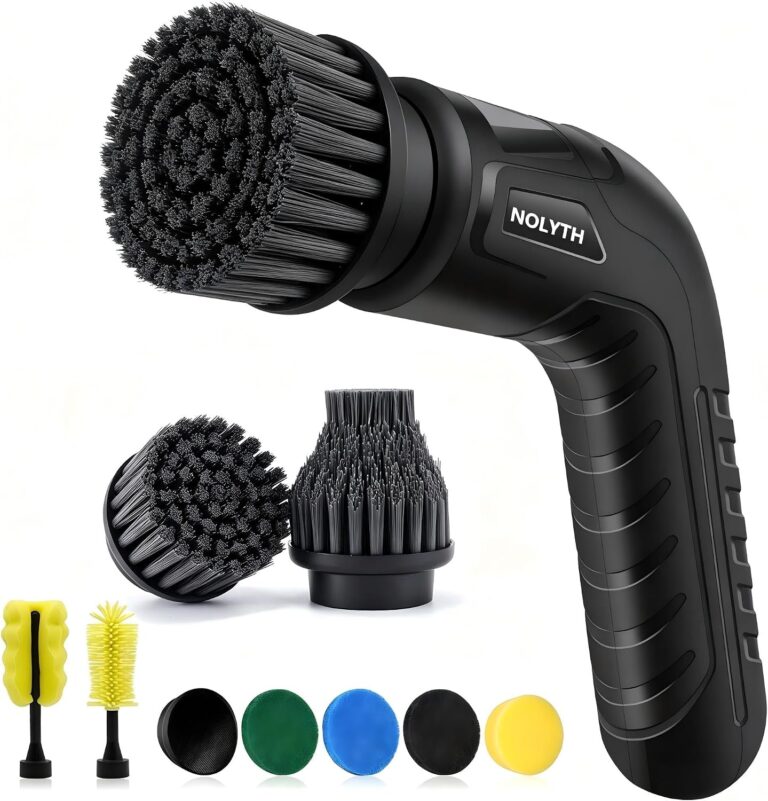
Shower Cleaning and Descaling Products: Help maintain shower equipment according to its care instructions.
Affiliate disclosure: Some recommended product links may earn Calculator Central a commission at no additional cost to you.
Explore More Home & Household Calculators
Appliance Running Cost Calculator: Estimate electricity costs for everyday household appliances.
Paint Calculator: Work out how many litres of paint you need for a decorating project.
Heating Cost Calculator: Explore estimated household heating costs.
Tumble Dryer Running Cost Calculator: Estimate electricity consumption and running costs per drying cycle.
Home & Household Calculators: Browse the full Calculator Central collection.
Calculate Your Shower Running Costs Today
Our free Shower Running Cost Calculator UK helps you explore how shower duration, energy prices, flow rate and household usage can affect your bills.
Enter your details above to see your estimated cost per shower, weekly and annual household costs, and possible savings from reducing shower duration.
Calculate it simply with Calculator Central.
Disclaimer: Calculator results are illustrative estimates and are not a substitute for actual energy or water meter readings. Prices, energy consumption and billing arrangements vary between households.